


Abstract
B2B buyers form opinions about vendors long before sales enters the conversation, which means messaging either earns consideration or loses it silently. For SaaS and tech companies, the gap between winning and losing pipeline often comes down to whether messaging speaks directly to how buyers actually evaluate solutions.
These ten dos and don’ts show exactly where B2B messaging breaks down and how to fix it:
- Define Your ICP at a Granular Level
- Don’t try to speak to as wide an audience as possible
- Do clearly and concisely define your ICP
- Value vs. Feature Balancing
- Do frame your strategic messaging around the unique business value and outcomes you deliver
- But if your differentiation is in how you deliver value, sometimes leading with the feature is exactly the right call
- Website Hero Section Strategy
- Do a messaging exercise
- Don’t try to fit the entire messaging exercise into the homepage hero section
- Transparent Competitor Comparison
- Don’t ignore or hide competitive alternatives
- Do own the narrative by transparently comparing your solution to competitors
- Intent and Baseline Alignment
- Do match your messaging to the intent of your ICP
- Don’t try to stand out too far
- Centralized Message Consistency
- Don’t shift your core messaging every few weeks
- Do establish a centralized, approved messaging system
- Outbound Personalization
- Don’t rely on mass-automated sequences that scream “templated AI”
- Do personalize your outreach around the buyer’s actual business problem
- Subject-Matter Authority Voice
- Do lean on first-party data, internal subject-matter expertise, and distinct POVs
- Don’t hide behind generic industry platitudes
- Build Proof Into Every Message
- Don’t make claims your marketing and sales assets cannot immediately support
- Do back every claim with proof buyers can verify immediately
- Optimizing Content for AI Search
- Do format and structure your content so AI systems and search engines can parse, summarize, and cite it
- Don’t write dense, unstructured paragraphs or hide your core insights
Every SaaS company sounds the same right now, and buyers are drowning in a sea of heavy features-first content. When your messaging looks like everyone else’s, buyers stop reading before they even get to your pitch. The root cause isn’t your product or your channel; it’s that your messaging doesn’t match how buyers actually make decisions.
Evolving buyer behaviors and shifting market preferences are now a top challenge for 89% of B2B marketing leaders in 2026. The good news is the fix doesn’t require a rebrand. Simply put, your B2B messaging needs to start speaking directly to the problem your buyers are trying to solve and the way they are developing their shortlist.
Here are ten practical B2B messaging dos and don’ts to sharpen your approach and stop losing deals you should be winning.
Why B2B Messaging Needs to Change
B2B buyers do not wait for a sales conversation to form an opinion about your company. Before they book a demo or reply to outreach, most have already:
- Visited your website and read your hero copy.
- Compared you against competitors.
- Checked reviews on G2, Capterra, or Reddit.
- Looked for case studies, proof points, and customer results.
- Decided whether your solution is worth a closer look.
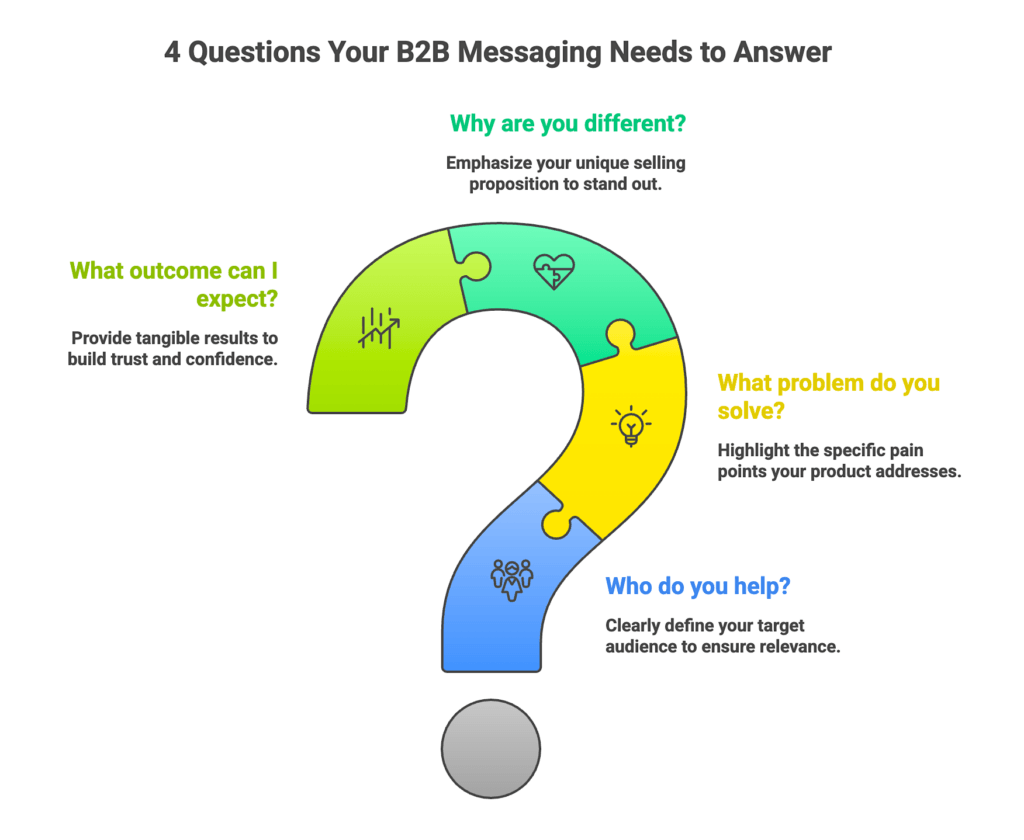
By the time a buyer shows intent, your messaging has already done its job—or failed to. That means your B2B messaging has to work without a salesperson in the room. It needs to quickly answer four questions every buyer is asking:
- Who do you help?
- What problem do you solve?
- Why are you different from the alternatives?
- What outcome can I expect?
Feature-first messaging does not answer those questions. Buyers do not want a product tour before they understand whether your solution is relevant to their problem. They want to know you understand what they are dealing with, and that your solution can help fix it.
When your messaging gets this right, the business impact is measurable: stronger website engagement, better campaign performance, more qualified leads entering the pipeline, and fewer opportunities stalling before they reach sales.
10 B2B Messaging Dos and Don’ts
These ten dos and don’ts will help you pressure-test your B2B messaging across your website, campaigns, outbound sequences, and sales materials:
1. Define Your ICP (Ideal Customer Profile) at a Granular Level
⚠️ Don’t try to speak to as wide an audience as possible.
It can feel safer to keep your messaging broad, but casting a wide net attracts prospects who were never likely to buy. You may lose some people by getting more specific, but those are often the same people your team would have spent time on later before losing anyway. Unqualified leads still require sales calls, follow-up, and campaign spend, which inflates CAC (Customer Acquisition Cost) without creating pipeline that converts.
✅ Do clearly and concisely define your ICP.
Pinpoint the exact pain you solve and the specific mechanism you use to solve it. Your ICP is not just a firmographic profile. It is the exact company, role, and situation where your solution delivers the most value. The tighter your ICP, the more your messaging resonates with the people who actually buy. It also helps eliminate wasted marketing budget and low-intent pipeline bloat because your message is built for the buyers most likely to move forward.
How to Do It Right:
- Check your last ten lost deals. How many were never a good ICP fit to begin with, and why?
- Talk to your best customers, find the common thread in why they bought, and build your messaging around that.
- Write a homepage headline that speaks directly to one marketing persona’s specific problem, and not to a general category.
2. Value vs. Feature Balancing
✅ Do frame your strategic messaging around the unique business value and outcomes you deliver.
Value messaging speaks to what the buyer gets from your solution or service. Feature messaging speaks to how you deliver it. Knowing which one to lead with depends on your market and who is in the buying group. Value messaging gets attention because it helps the buyer understand the outcome you deliver and why the product deserves consideration.
⚠️ But if your differentiation is in how you deliver value, sometimes leading with the feature is exactly the right call.
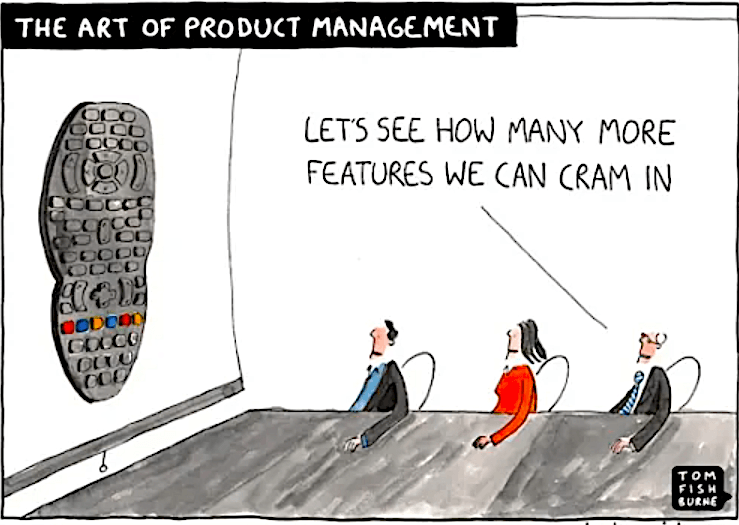
In technical markets, the feature is often the differentiator, so don’t bury it. It validates large product claims and builds trust with technical decision-makers. The pipeline cost goes both ways: leading with features in value-driven markets loses emotional buy-in early, while leading with value in technical markets loses credibility with the technical evaluator.
How to Do It Right:
- Read your hero copy and your sales deck opening slide. Which comes first, the outcome or the feature?
- Use this structure: “We help [ICP] achieve [outcome] by [specific mechanism].” Put the outcome first and the proof second.
- Anchor every major value promise directly to the technical capability or software engine powering it.
3. Website Hero Section Strategy
✅ Do a messaging exercise.
A messaging exercise gives you the clarity to decide what the homepage hero section should communicate first. Get clear on what problem you are solving, who you are solving it for, how you are doing it, and what makes your approach different from anyone else.
⚠️ Don’t try to fit the entire messaging exercise into the homepage hero section.
Your website hero should not try to provide everything a buyer needs to know. It should tease them to read on. The hero section is the first thing a buyer sees, and it has one job: to confirm they are in the right place and give them a reason to keep reading. A cluttered or generic hero section creates cognitive overload, lowers engagement, and increases bounce rate. It can also kill consideration before it starts.
How to Do It Right:
- Show your homepage to someone unfamiliar with your product. Can they tell in five seconds who it’s for and what problem it solves?
- Use one clear headline, one supporting line, and one CTA. Everything else lives below the fold.
- Write a punchy headline that validates the core challenge.
4. Transparent Competitor Comparison
⚠️ Don’t ignore or hide competitive alternatives.
High-intent B2B buyers always do their homework. Avoiding competitor comparisons does not stop them from comparing you. It only pushes them to find the comparison somewhere else, often on a competitor’s site or a third-party page where you do not control the narrative.
Without a comparison page, high-intent buyers may leave your site to answer the questions they already have. Some will not come back.
✅ Do own the narrative by transparently comparing your solution to competitors.
At the bottom of the funnel, buyers are actively shortlisting vendors. Comparison content meets them at the exact moment they are deciding which options deserve a closer look. A transparent comparison helps buyers understand where you fit, who you are best for, and when another option may be a better match. That level of honesty builds trust because it shows you understand the decision they are trying to make.
How to Do It Right:
- Search your product name plus your top competitor’s name. Is your site in those results? Is the narrative yours or theirs?
- Create a dedicated comparison page on your own terms so serious prospects can do their homework without leaving your ecosystem.
- Be direct about where your solution is strongest, who it is best for, and how it compares against the alternatives buyers are already considering.
5. Intent and Baseline Alignment
✅ Do match your messaging to the intent of your ICP.
Every buyer arrives with a set of baseline requirements that they need confirmed before they will consider your differentiators. Your messaging needs to address those first, so buyers can see that your offer fits the problem they are trying to solve. Once those requirements are clear, differentiation has more weight. The buyer can first confirm “yes, this does what we need,” then understand why your approach is better than the other options.
⚠️ Don’t try to stand out too far.
Make sure you first tick all the boxes before you discuss how you are different. Jumping to differentiation before meeting baseline expectations makes buyers question whether you understand their requirements at all. When the fit is unclear, they quietly move on instead of doing the work to figure it out.
How to Do It Right:
- Audit your messaging. Are you leading with differentiation before confirming you meet the buyer’s basic requirements?
- Fix the order. First, confirm that “Yes, we do X, Y, and Z that you need,” then explain why you do it better than anyone else.
- Make sure your core website and campaign messaging answer the buyer’s baseline questions before introducing sharper differentiators.
6. Centralized Message Consistency
⚠️ Don’t shift your core messaging every few weeks.
Short-term pipeline changes can create pressure to rewrite the message. But if the story changes every time a campaign underperforms, buyers and internal teams never get a stable understanding of what you do, who you help, and why it matters.
Inconsistent messaging creates doubt at exactly the point in the funnel where trust matters most. If your search ads say one thing, your website says another, and your sales deck opens with a third story, the buyer has less reason to believe your team is aligned around the value you claim to deliver.
✅ Do establish a centralized, approved messaging system.
A centralized messaging system (with messaging approved by marketing, sales, and leadership) gives your team one source of truth for value metrics and talk tracks across lifecycle touchpoints. Message consistency means your website, ads, outbound, and decks tell the same story in the same language. Quarterly reviews keep the system current without letting short-term pipeline fluctuations trigger ad-hoc messaging changes every few weeks.
How to Do It Right:
- Compare your latest paid ad, website hero, and sales deck opening. Do they tell the same story in the same language?
- Build a single master system for approved value paths and team talk tracks.
- Review and update the system quarterly and resist making changes based on short-term fluctuations.
7. Outbound Personalization
⚠️ Don’t rely on mass-automated sequences that scream “templated AI.”
Mass-automated sequences make your brand indistinguishable from the noise. Buyers can tell when the same basic outreach could have been sent to any company in your ICP. Adding a first name and company name does not make your messaging relevant if it still ignores the buyer’s actual business problem.
Generic sequences get auto-deleted because they give the buyer no reason to open, reply, or believe your messaging was meant for them. They may let your team send more emails, but volume does not help when your messaging only earns average reply rates of around 3.4%.
✅ Do personalize your outreach around the buyer’s actual business problem.
Personalization in 2026 means relevance to the buyer’s specific situation. Your messaging should connect what the prospect is dealing with to a clear reason to engage now.
Bespoke problem-specific outreach outperforms generic sequences because it makes the relevance of the message clear before the buyer has to do any extra work. Combining email, LinkedIn, and phone in a coordinated sequence strengthens that outreach by giving the buyer more than one way to engage with the same relevant idea.
How to Do It Right:
- Pull your last outbound sequence. Could it have been sent to any company in your ICP, or does it speak to this specific prospect’s situation and pain?
- Before you hit send, ask whether your messaging shows you understand their specific situation or only shows that you have their email address.
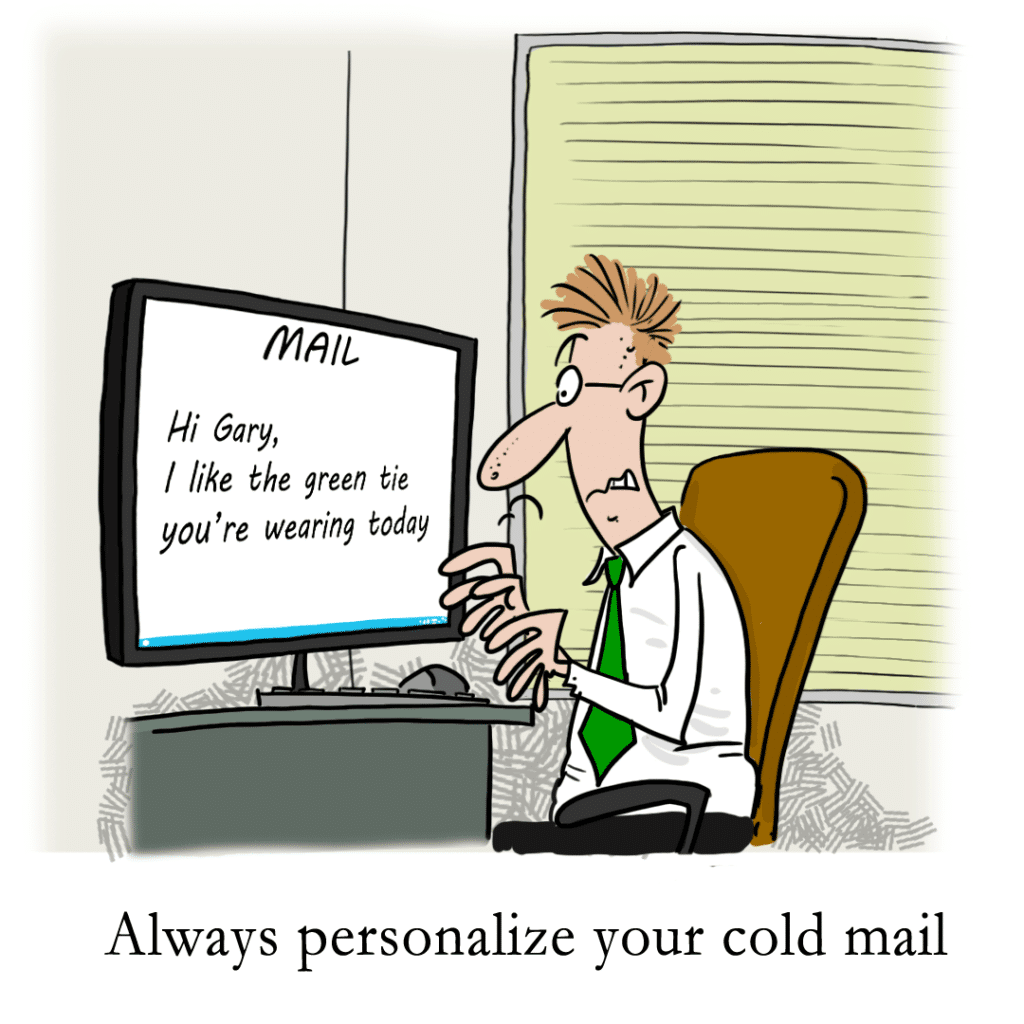
- Use an opening line that references something specific about the prospect’s business.
8. Subject-Matter Authority Voice
✅ Do lean on first-party data, internal subject-matter expertise, and distinct POVs.
Authority messaging should feel like something only your company could credibly say. The strongest material comes from your own customer experience, internal data, product knowledge, and the people closest to the work. Real expertise gives buyers something to believe. It shows that your team understands the problem beyond surface-level category language and has earned the right to make a recommendation.
⚠️ Don’t hide behind generic industry platitudes.
General claims make your company sound like an aggregated summary of everyone else in the market. If your messaging could be published by any competitor with only the logo changed, it does not give buyers a reason to see you as the authority. At the bottom of the funnel, buyers are comparing credibility as much as capability. Without a distinct point of view, your brand blends into the background, and premium pricing becomes harder to defend.
How to Do It Right:
- Read your last three blog posts or LinkedIn articles. Do they contain a point of view only your company could credibly make, or could any competitor have published them?
- Interview internal product engineers and customer success reps to extract real workflow data and proprietary insights.
- Build those insights into your messaging so the market hears a perspective your competitors cannot easily copy.
9. Build Proof Into Every Message
⚠️ Don’t make claims that your marketing and sales assets cannot immediately support.
At the bottom of the funnel, unsubstantiated claims in your marketing and sales assets do not just fail to convince. They actively erode trust because they create a gap between what your messaging says and what the buyer can verify.
Those gaps are where deals quietly die. A buyer may like the promise, but if they cannot find proof to support it, choosing your solution is a higher-risk decision. Unsubstantiated claims stall deals at the final stage, which is the most expensive place in the funnel to lose momentum.
✅ Do back every claim with proof that buyers can verify immediately.
Proof is the bridge between a claim and buyer conviction. At BOFU, buyers are pressure-testing everything you say against the evidence they can find on your website, in your sales deck, and in your case studies.
Every major claim should connect to proof that the buyer can check quickly. If your messaging says you shorten sales cycles, improve conversion, lower acquisition costs, or help teams scale demand generation, the buyer should be able to find a result, metric, or case study that supports it.
How to Do It Right:
- Audit every major claim in your messaging and ask: Where is the proof?
- If you cannot point to proof immediately, fix the claim before anything else.
- Follow every major claim with a specific customer result, concrete metric, or direct link to a case study that proves it.
10. Optimizing Content for AI Search
✅ Do format and structure your content so AI systems and search engines can parse, summarize, and cite it.
B2B buyers increasingly use AI-powered tools like ChatGPT, Perplexity, and Google’s AI Overviews to research vendors and shortlist solutions before they ever visit your site. Traditional SEO gets you ranked. Generative Engine Optimization (GEO) gets you cited.
GEO structures your content so AI-driven search engines can discover, summarize, and recommend it when buyers ask questions related to your category, use case, or competitive set. Without it, your content can be invisible in the places where high-intent buyers are already looking.
⚠️ Don’t write dense, unstructured paragraphs or hide your core insights.
Dense, unstructured content makes AI crawlers work harder to extract the answer your page is supposed to provide. If your main insight is buried inside long paragraphs, the page can be skipped even when the expertise is relevant. When your B2B content isn’t crawled, your brand won’t appear in the answers buyers rely on during vendor research. Competitors with clearer, better-structured content can shape the shortlist before your site ever gets a visit.
How to Do It Right:
- Run your key topic questions through ChatGPT or Perplexity. Is your brand being cited? If not, your content structure is likely the problem.
- Place a direct, structured summary answer immediately beneath your main subheadings, followed by clear, scannable data points that machine crawlers can instantly extract.
- Use structured pages, comparison tables, proof points, and buyer-language alignment so your content is easier for both buyers and AI agents to understand and cite.

Turn B2B Messaging Into a Growth Roadmap
When it comes to effective B2B messaging, there is no try. It’s do or do not. Your messaging now determines whether SaaS and tech buyers understand your value and add your solution to their shortlist before they ever speak to sales. But for many lean startups or tech-heavy organizations, the volume of messaging and channels can be overwhelming. Fortunately, you don’t have to go it alone, because you can do B2B messaging better with the right agency partner.
As an on-demand marketing department for B2B startups and SaaS/tech companies, mvpGrow has the industry know-how and experience to design a custom B2B messaging strategy focused on your ICP. We help refine your value story, create SEO/GEO optimized content around buyer intent, and utilize data-driven campaign management so buyers quickly understand why your solution is worth choosing. You get focused B2B messaging that drives qualified traffic, increased conversions, and measurable growth.
Book a free consultation with mvpGrow to audit your current B2B messaging and start building a custom roadmap for growth.

The Founder & Chief Getting Sh%T Done Officer of mvpGrow. After about 8 years as a hired hand some of the largest (and smallest) B2B SaaS companies worldwide I decided to hang up my employee slippers and lace up my growth agency cleats. But just because I’m an agency doesn’t mean we can’t chat (no charge). Please email me on any topic and I will gladly reply: eyal@mvpgrow.com